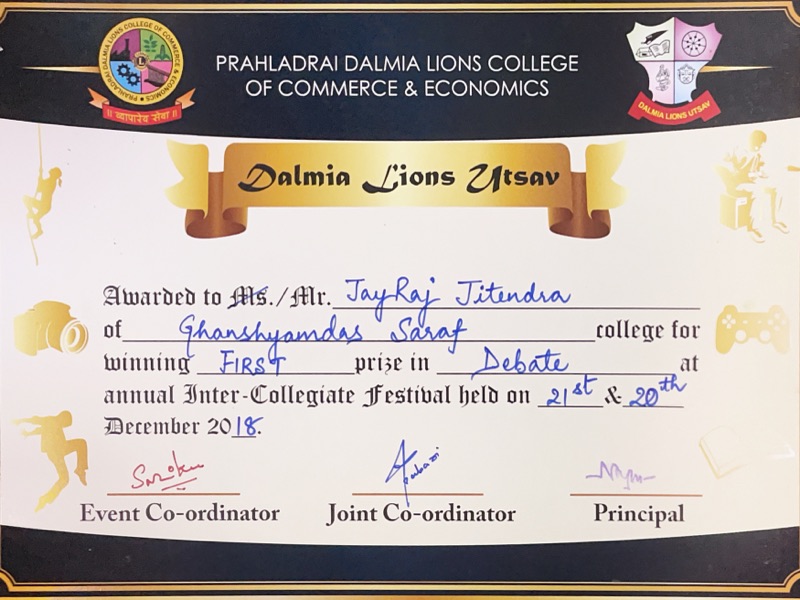
College debate · participation
Undergraduate debate event paperwork.
Early-career policy researcher, Maastricht. Mixed methods — field interviews and quantitative desk work — for teams that need evidence they can act on.
Migration policy · Education markets · Governance
Junior research, M&E, programme support. Open to scoped freelance commissions.
> Now Applying to salaried junior roles and taking short commissioned desk work on the side.
> LOADING: RESEARCH
> THESIS: THE CONSULTANCY GAMBLE: INDIAN STUDENT PATHWAYS TO EUROPEAN UNIVERSITIES
Fifteen interviews · six cities · Atlas.ti coding
OLS regression · RDD · DiD · PSM causal quant in Stata & R
DEMOS grant · UNU-MERIT 2025
Supervisors: Melissa Siegel · Lutz Krebs (co-supervisor)
> GRANT: DEMOS / UNU-MERIT 2025
> SUPERVISOR: PROF. DR. MELISSA SIEGEL · UM · SITE
> CO-SUPERVISOR / THESIS COORD: DR. LUTZ KREBS · SITE
Start here if you hire for evidence work: the thesis is the longest chain (grant → fieldwork → coding → memo). Lutz Krebs joined as co-supervisor and thesis coordinator after the DEMOS grant; he helped lock the budget, ethics, and travel paperwork. Running that grant end to end was the first full programme cycle on the record.
Why that matters for you: the same pipeline maps to baselines, desk reviews, and option memos your team can circulate, not only to academic papers.
Next: seven PDF samples (four coursework briefs, three published abstracts with certificates). APA lines under Publications. Local retention argument: . UNU cohort welcome note.
Toolkit on display: fifteen structured interviews coded in Atlas.ti, quantitative survey analysis with advanced causal inference (OLS, RDD, DiD, PSM) in Stata and R, and a novel AI-assisted stakeholder simulation mapping the India–Europe student migration market.
+------------------+
|  ~760,000        |
|  INDIAN STUDENTS |
|  ABROAD (approx.)|
|  +------------------+
More than 760,000 Indian students study abroad, and a large share use private consultancies for applications. When advice misaligns with incentives, the bill often lands on students and families, not on the broker.
How we know: a rigorous mixed-methods research design examining information asymmetries and power imbalances in cross-border education networks. Quantitative survey data was analyzed using OLS regression alongside advanced causal inference frameworks—including Regression Discontinuity Design (RDD), Difference-in-Differences (DiD), and Propensity Score Matching (PSM) in Stata and R.
This was paired with fifteen semi-structured qualitative interviews across six cities, systematically transcribed and coded using Reflexive Thematic Analysis (RTA) in Atlas.ti, and stress-tested using a novel AI-assisted stakeholder simulation to map incentives across the education broker ecosystem.
Schematic only: relative cost and risk burden, not survey percentages.
The pattern is uneven, not random: students with strong networks often get through; students without them absorb more risk, more debt, and more dead ends.
Four verified publications and presentations spanning public governance and digital technology, fully traceable to official proceedings.
* On the Ajanta entries, Chavan is first author; Dashpute contributed as research assistant. Chavan is sole author on the 2020 Aarhat Journal and 2021 KES presentations.
Want the full thesis? It is not a public download here. You can request access below (name, email, optional affiliation, one line on why you need it). An in-browser view will appear when the web copy is cleared. If the form fails, email via with “thesis” in the subject.
> WRITING.LOG
> SUSTAIN(ABLE) DEVELOPMENT
> SUBSTACK / ONGOING
This room holds the flagship brief (six chapters below) plus Substack drafts. Coursework PDFs live under and stay downloadable. The brief and thesis (when posted) are view-only here. Quick answers:
What this is: a Maastricht policy brief on graduate retention and the orientation year. Why it matters: border cities train talent locally but lose it after graduation. What to do next: open a chapter below, or View brief for the full PDF with citations (same file as ).
Chapter 1, the puzzle: Maastricht sells itself as an international university city. More than sixty per cent of Maastricht University students are international. Yet Nuffic’s longitudinal data put the five-year stay-rate for Maastricht graduates at 11.6 per cent still in the Netherlands, well below the national average.
Why the headline is messy: border geography means many graduates work within a hundred-kilometre radius, including across the border, so Dutch registration stats under-count some stays. Even so, formal settlement after graduation lags peer cities.
So what: the city invests heavily in students. Conversion to long-term local settlement is still the weak link. The rest of the brief asks what would need to change for that conversion to improve.
Chapter 2, the bridge: the post-study orientation permit gives one non-extendable year to move toward highly skilled migrant status. During that year recognised employers can hire without a separate work permit (TWV).
Why the year feels short: salary rules, sponsor registration, and language tests all land at conversion. Many graduates must line up a qualifying role, an IND sponsor, and a contract that fits reduced graduate salary rows before the clock runs out.
For Limburg employers: national talk about cutting international intake runs beside ministerial lines about keeping talent in the Dutch labour market. The orientation year is where those two stories meet one graduate at a time.
Chapter 3, stacked filters: non-EU graduates juggle permit timing, sponsor lists, language expectations, and hiring routines built for Dutch-speaking candidates. Euregio research flags cost, relevance, and timing as barriers to Dutch classes even when language matters for jobs.
What employers see on the ground: many SMEs lack a playbook for international recruitment. Traineeships are often Dutch-only by default. Career services exist, but a clear “stay in Maastricht” path in the final study year is still patchy.
Hiring someone already here on an orientation permit is not the same as sponsoring from abroad. Teams that treat both as equally risky screen people out before skills are tested. Reduced salary rows help only when HR knows the route.
Chapter 4, what HR worries about: conversations often stop at sponsorship risk before role fit is discussed. The fear is paperwork (IND registration, contract wording, liability if conversion fails), not ability.
Why that costs the region: graduates already in Maastricht bring local degrees, references, and language progress. Treating them like unknown cross-border hires wastes trained talent. Dutch-only adverts signal “not for you” before anyone applies.
What would help: recognised sponsors already follow familiar steps, comparable to hiring an EU graduate who still needs relocation terms. Bridge roles, bilingual adverts, and a short onboarding checklist move the talk from permit anxiety to job requirements.
Chapter 5, politics in 2025: the Wet internationalisering in balans and related letters push Dutch as default in many bachelor tracks, caps on English-taught programmes, and pressure to reduce inflows. That story frames “too many internationals” as the problem, not housing, integration, or labour-market design.
Why Maastricht is different: border regions with ageing populations and vacancies are not the Randstad. Retention goals here depend on graduates who already studied locally.
What happened in parliament: in January 2025 the Tweede Kamer adopted a motion asking for a plan to retain international graduates, in the same period as debates on cutting intake. Local policy has to name both retention and intake, or implementation will contradict itself.
Chapter 6, what would actually move the needle: the brief ends with operational ideas, not slogans. Examples: a bridge-jobs pipeline in the final study year, Dutch classes tied to job vocabulary, an inclusion audit on schemes that exclude internationals in practice.
Who does what: universities, recognised sponsors, and local employers each hold levers. Services already exist; the gap is proactive outreach timed to permit deadlines and jobs that fit conversion windows.
How you know it worked: track stay-rates and employer uptake after pilots, not only press releases. Full detail and citations are in the PDF via View brief above.
Numbered files below extend the retention thread: migration administration, HR data inside organisations, and thesis field notes. See the policy brief above for the full Maastricht argument.
Retention thread: administrative patience, state capacity, and what waiting rooms reveal about how governments treat migrants during conversion years.
Retention thread: how routine HR data choices shape who gets hired and who is screened out before an interview. Notes from three years managing 500 staff.
Retention thread: what fifteen thesis interviews left out of the dissertation, including employer caution and graduate mobility.
> EXPERIENCE.LOG
> SORTED: REVERSE-CHRONOLOGICAL
Reverse timeline. Here is the thing about policy work: everyone loves the theory, but no one wants to fix the data. My background is a mix of academic rigor and the gritty reality of HR operations where policies actually hit people. What I take on now:
Conducting independent policy analysis on local issues in Maastricht, supporting the Volt English policy team, and turning qualitative and quantitative research into practical, evidence-based notes. (In short: I write the concise memos people actually want to read.) The Maastricht graduate-retention brief is available here (, view in browser).
Fast-paced, high-volume service work. It teaches you more about process efficiency, supply chain bottlenecks, and frontline labor dynamics than most seminars ever will.
MSc Public Policy and Human Development, global governance focus at UNU-MERIT / Maastricht University. Thesis on Indian student migration. DEMOS grant. Methods: Stata, R, Atlas.ti; DiD, PSM.
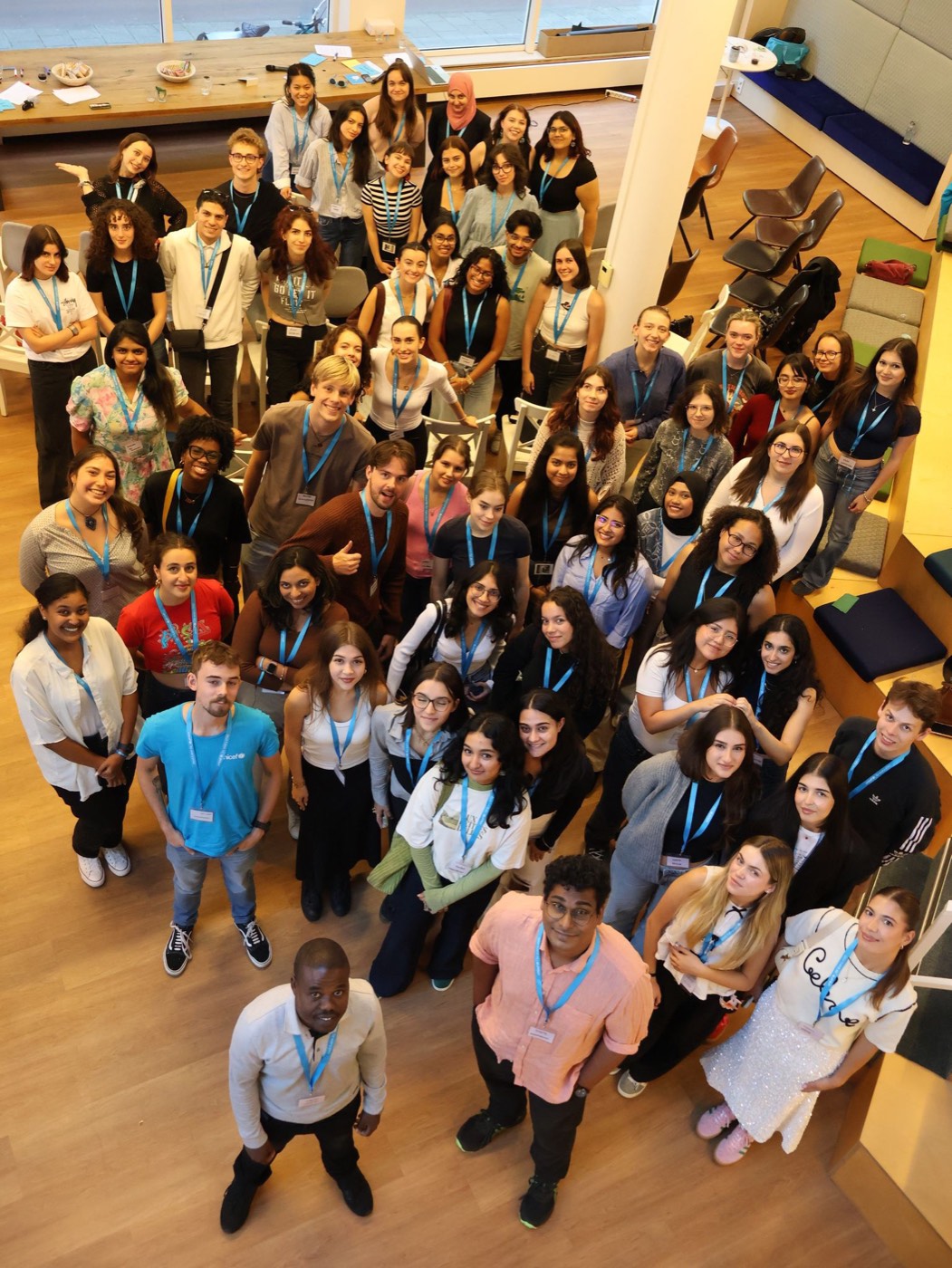
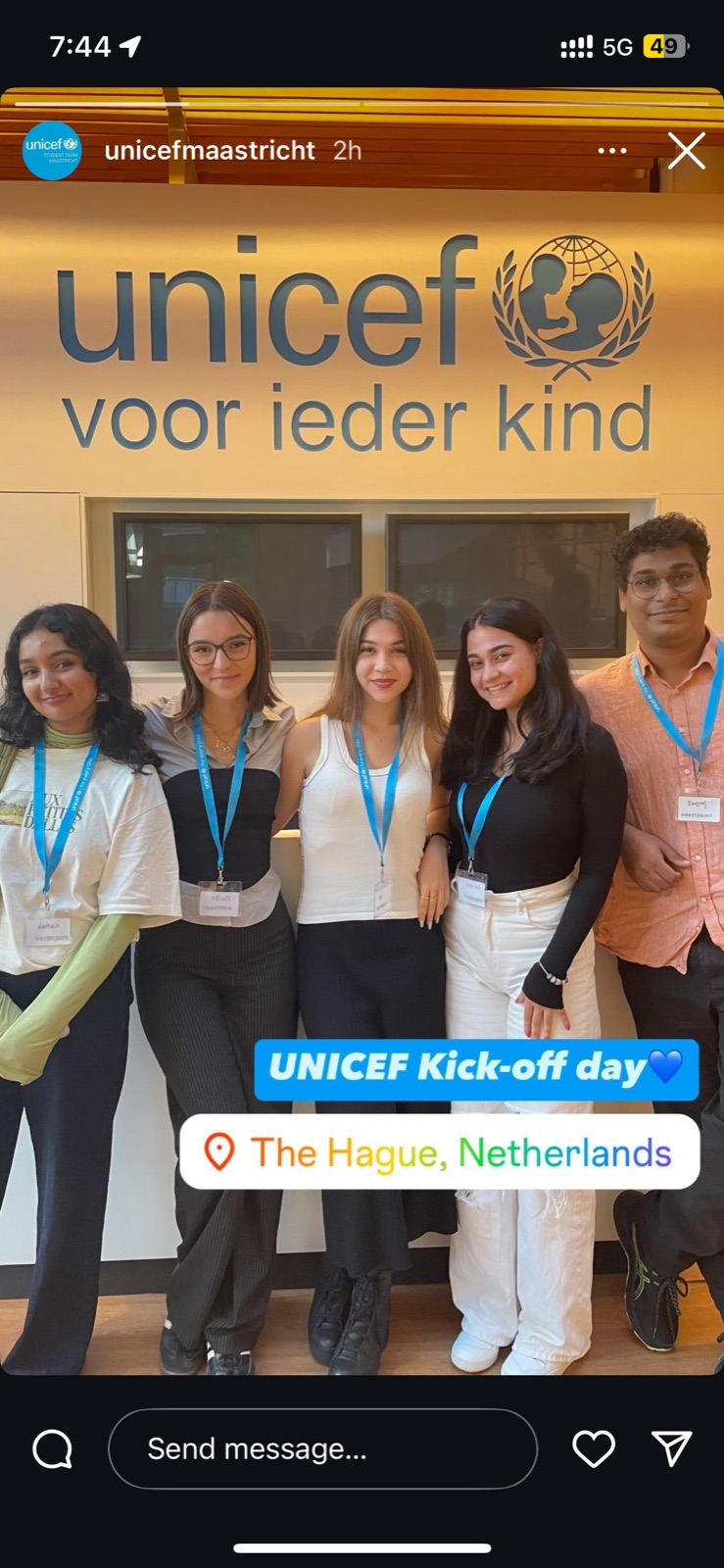
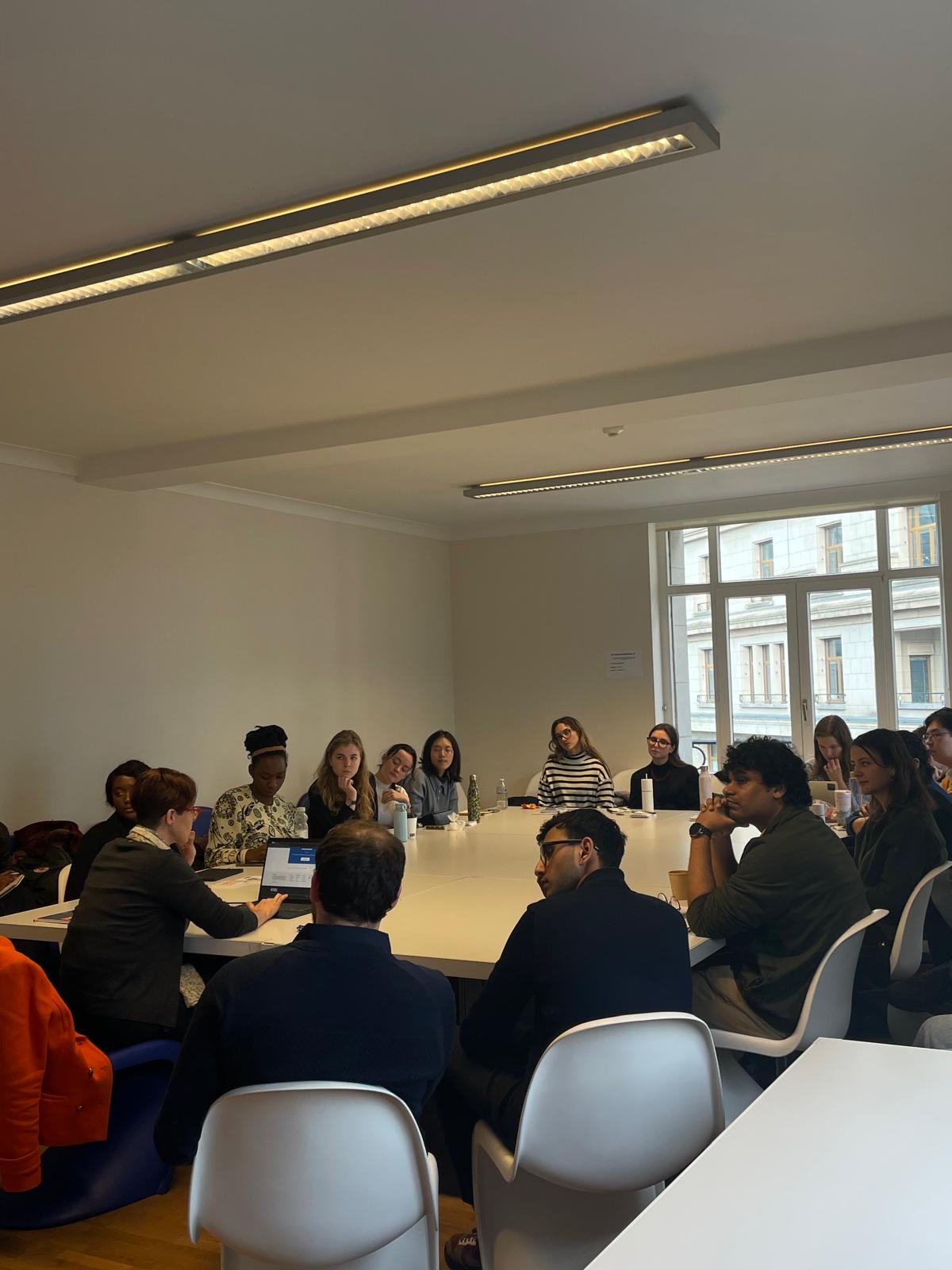
Led internal engagement and communications for our core team of 15 members supporting UNICEF Netherlands. Served as the regional Appmaster for the UNICEF app in South Limburg: onboarded regional volunteers, resolved technical access issues, monitored local data quality, and helped external organizers coordinate with the national platform. When our flagship venue fell through three weeks before the main event, I spearheaded a campus-wide charity trail that drove volunteer engagement and attendance above the previous year's benchmarks. Gained extensive hands-on experience with university operations, scheduling bookers, and cross-cultural campus administration.
Managed daily operations, roster planning, and Service Level Agreement (SLA) compliance across client sites in hospitality, logistics, and manufacturing. Served as the crucial liaison between corporate management, labor unions, and 500+ workers, resolving severe communication bottlenecks and facilitating contract negotiations during the height of the COVID-19 lockdown. Executed full-cycle HR operations (onboarding, registration, payroll, exit procedures), conducted thorough SAP data audits, and developed strategic dashboards to guide administrative decision-making.


> METHODS
> HOW THE WORK GETS DONE
Most policy arguments break when nobody checks what the programme actually incentivises on the ground. This syllabus maps my quantitative and qualitative research toolchain directly to applied competencies—detailing what I am trained to execute with ease.
> CORE CAPABILITIES
> IMPACT ESTIMATION & QUASI-EXPERIMENTAL DESIGN
Focus Isolating and estimating the direct causal impact of policy interventions using observational data.
Core Techniques Difference-in-Differences (DiD), Propensity Score Matching (PSM), Regression Discontinuity Design (RDD), and Fixed Effects panel models.
Application Estimating employment outcomes, benefit under-claims, wage trajectories, and service take-up across administrative boundaries and budget cycles.
Stata · R · Balance Checks · Causal Inference Appendix
Focus Analyzing trends, migration streams, program expenditures, and monthly arrivals against seasonal shifts and lags.
Core Techniques Auto-regressive modeling, seasonal decomposition, and scenario forecasting.
R · Plot packages with confidence intervals · Scenario Lines
> REFLEXIVE THEMATIC ANALYSIS & ELITE INTERVIEWS
Focus Capturing micro-realities, institutional incentives, and elite pathways where datasets do not exist.
Core Techniques Semi-structured field interviewing, transcription workflows, and ethical research protocols.
Application Completed 15 elite qualitative interviews across six cities for the flagship student migration research dossier.
Qualitative Research Ethics · Elite Interfacing · Interview Logbooks
Focus Casing interview transcripts systematically to construct transparent, auditable quote-to-claim evidence matrix summaries.
Core Techniques Reflexive Thematic Analysis (RTA), codebook design, and thematic node extraction.
Atlas.ti · Codebooks · Transcripts · Quote-to-Claim Mapping
> STRESS-TESTING STAKEHOLDER DECISIONS
Focus Mapping and stress-testing regulatory proposals against complex agent incentives when real actors are highly sensitive or inaccessible.
Core Techniques Game-theoretic incentive mapping, multi-agent role-play frameworks, and scenario logs.
Application Modeled regulatory constraints and agency behaviors across the international student broker ecosystem.
AI Stress-Testing · Scenario Mapping · Non-Academic Caveats Memo
Focus Synthesizing quantitative trends (what is happening) with qualitative mechanisms (why it is happening) to prevent blind spots.
Triangulation Frameworks · Multi-Method Synthesis
> ADMINISTRATIVE DATA OPERATIONS & REPORTING
Focus Executing professional survey setups, database structures, enterprise tracking, and digital auditing.
Core Techniques Panel roster management, workflow lock validation, and survey design audits.
SAP (HR) · Qualtrics · Airtable · Quadratic.ai · LaTeX · Python · MS Excel
Focus Drafting clear, concise, and structured options, baseline reviews, and evaluations for direct policy action.
Core Outputs Baseline Studies, Evaluation Memos (OECD-DAC standards), and Recommendation Options Briefs.
Baseline Indicators · Evaluation Memos · Recommendation Options Briefs
> VERIFIED PORTFOLIO
Frameworks Environmental auditing, corporate governance, and carbon accounting.
Credentials Deploying tech responsibly, analyzing data, and coordinating NGO logistics.
For an applied example, see . For the policy-brief style, see . To commission baseline or evaluation work, see .
> READ
Books I return to before drafting a memo. Policy shelf first; Dutch shelf tracks A2 → B2 beside formal NT2 coursework (job-relevant reading, not trivia).
Randomised trials as a way to ask whether a programme works, not whether it sounds good.
Institutions as the long game: who sets rules and who gets locked out.
Modern India as contested democracy, not a single reform story.
Rural India through reporting, not policy theory alone.
India’s foreign policy as choices under constraint, not destiny.
Why grand plans fail when local knowledge is ignored.
Development as a project that reshapes people and land.
Traps that keep the poorest countries stuck, and what might break them.
> INTERESTS.TXT
> THREAD: CO-CURRICULAR + OUTSIDE WORK
Background registry from Mumbai undergraduate years and Maastricht volunteering. Use this for colour and certificates; use Research and Zoekjaar for hiring proof. Role dates and UNICEF notes: . Publication certificates: .

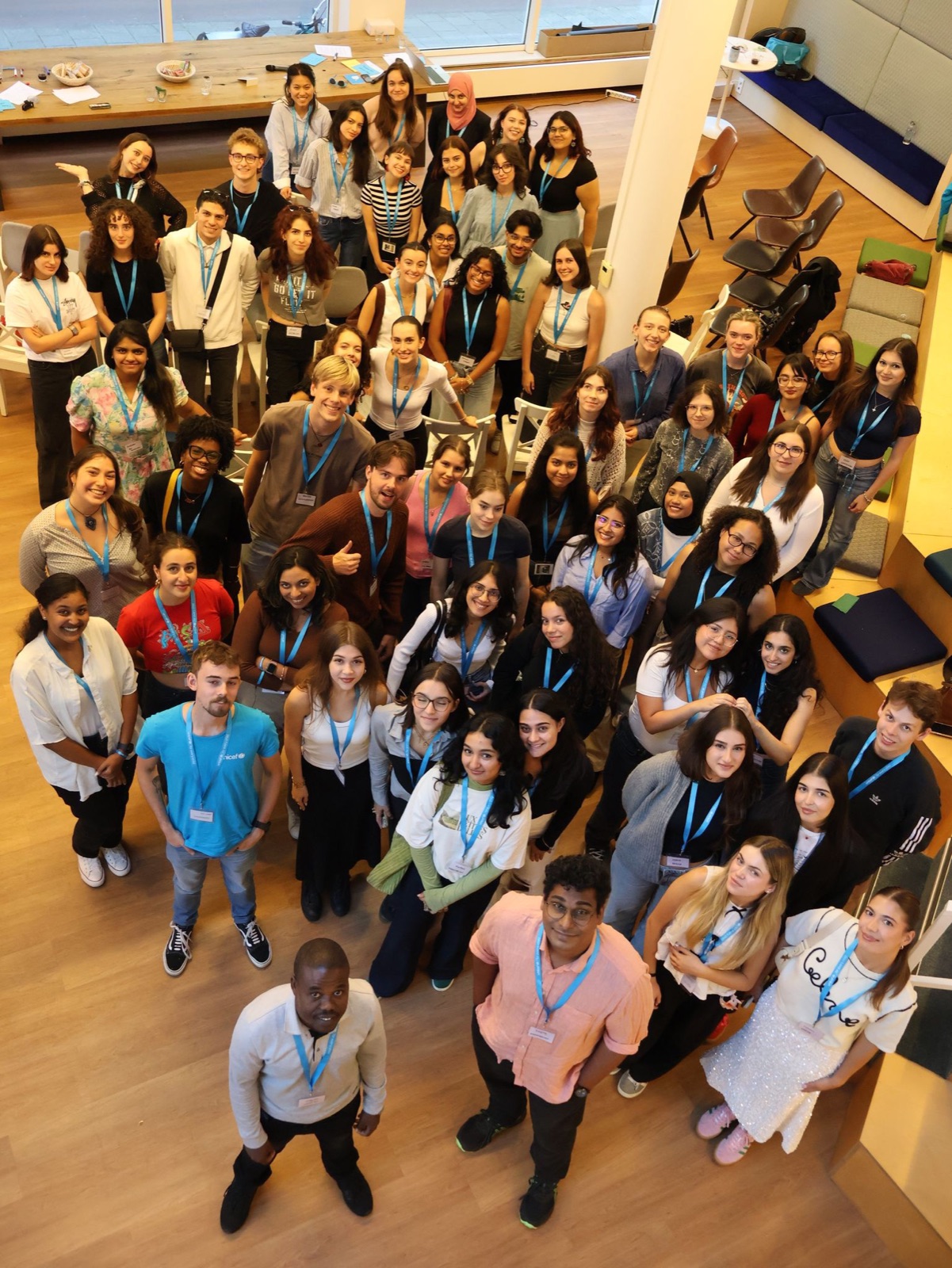
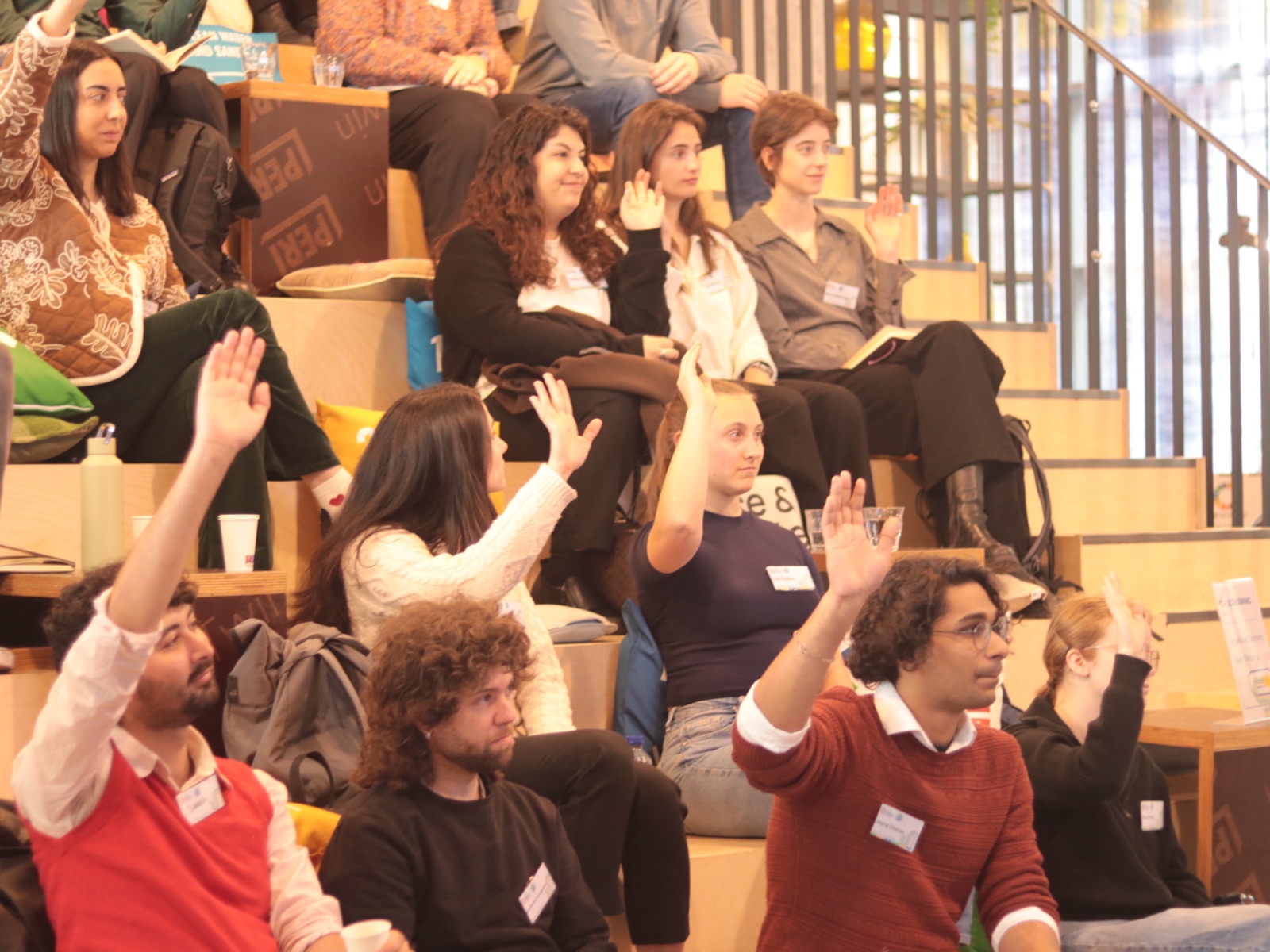
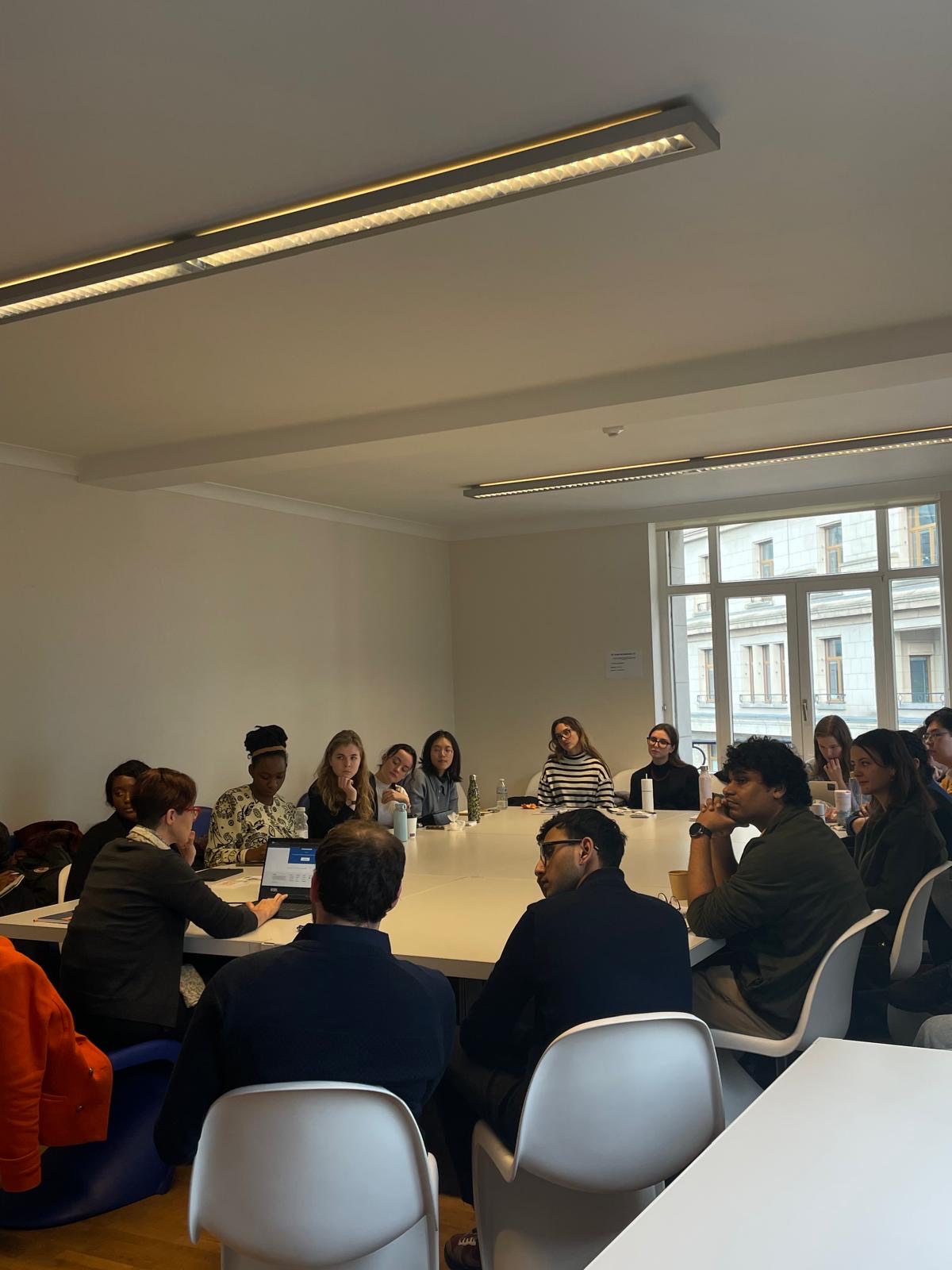
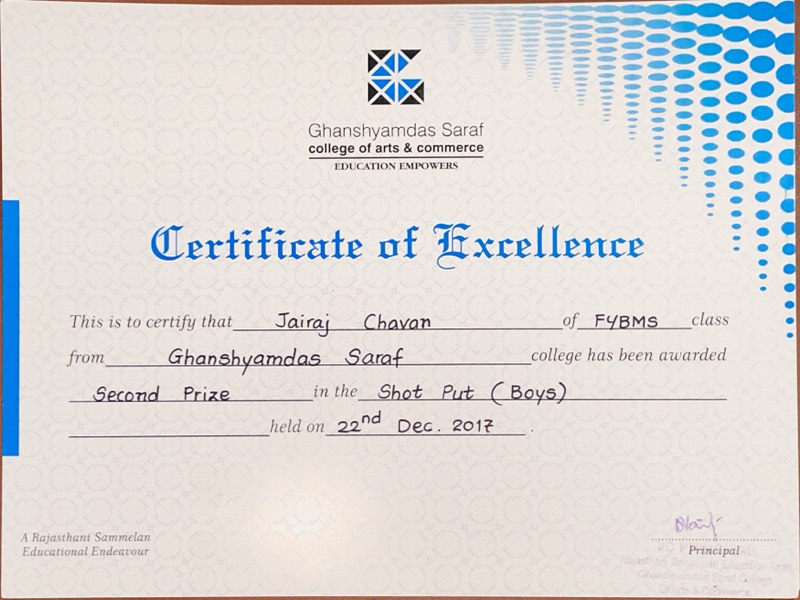
Event certificates from Saraf College of Commerce years. Years follow filenames where stated. I do not list ranks or scores unless they are legible on the scan.
College debate · participation
Undergraduate debate event paperwork.
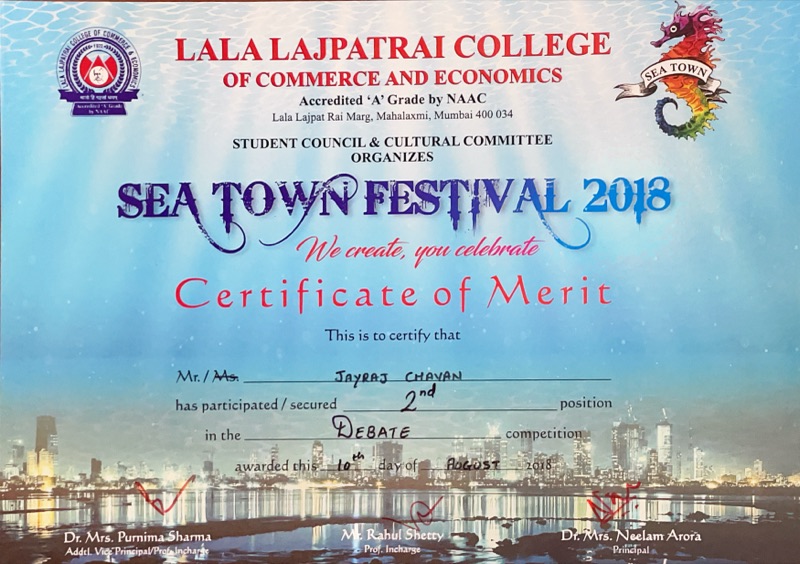
Debate LLC · 2018
Participation certificate, 2018.
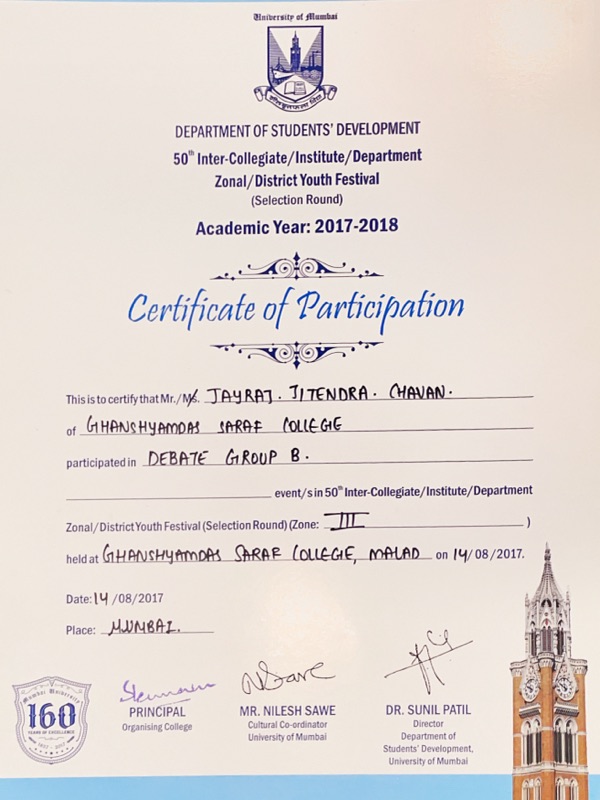
District youth festival · debate
Participation at district youth festival debate event.
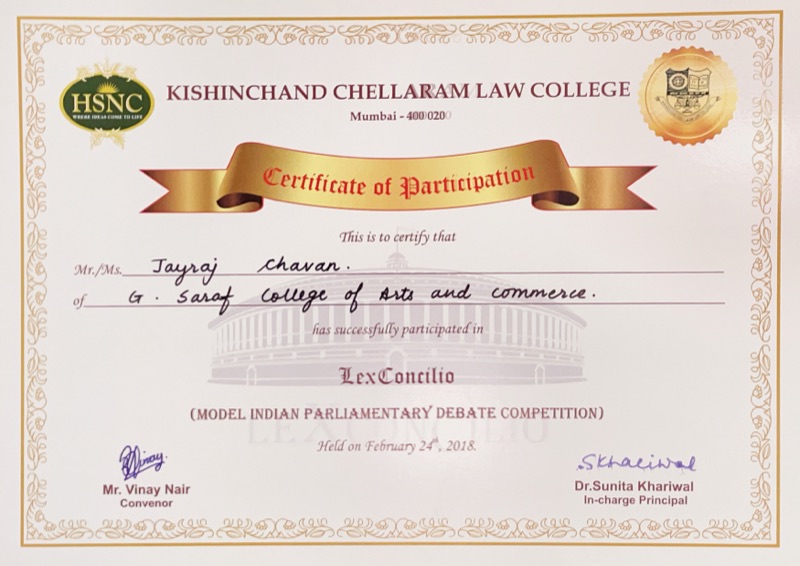
Lexconcilio · participation
Law-and-policy themed speaking event.
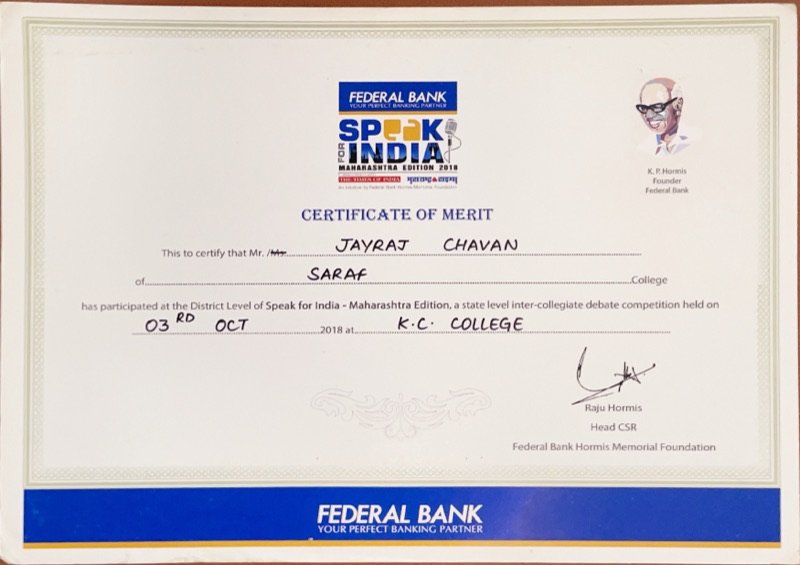
Speak India · participation
Public speaking programme participation.
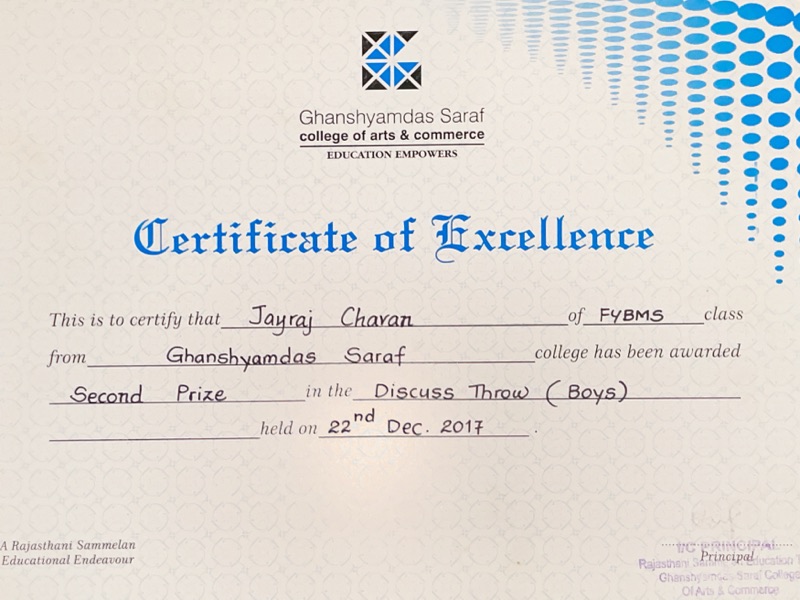
Discus · 2017
Inter-college athletics meet participation, 2017.
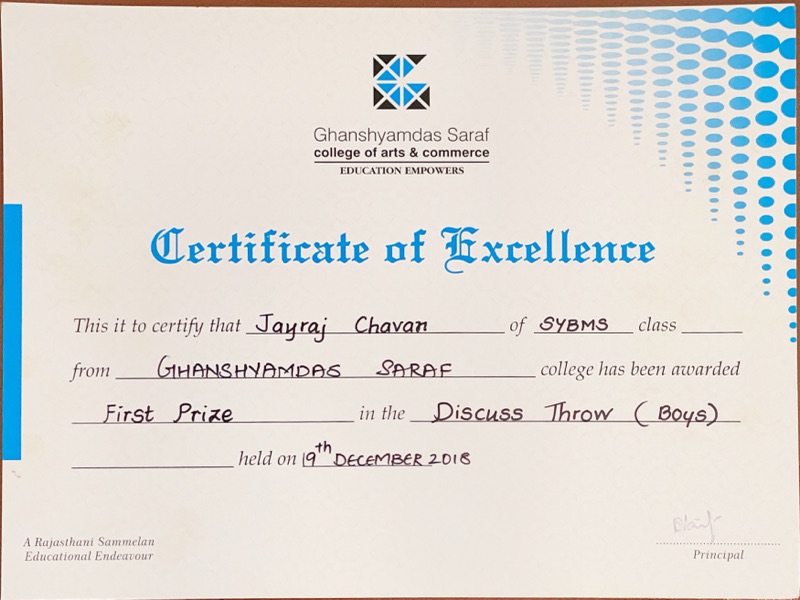
Discus · 2018
Inter-college athletics meet participation, 2018.
Shot put · 2017
Inter-college athletics meet participation, 2017.
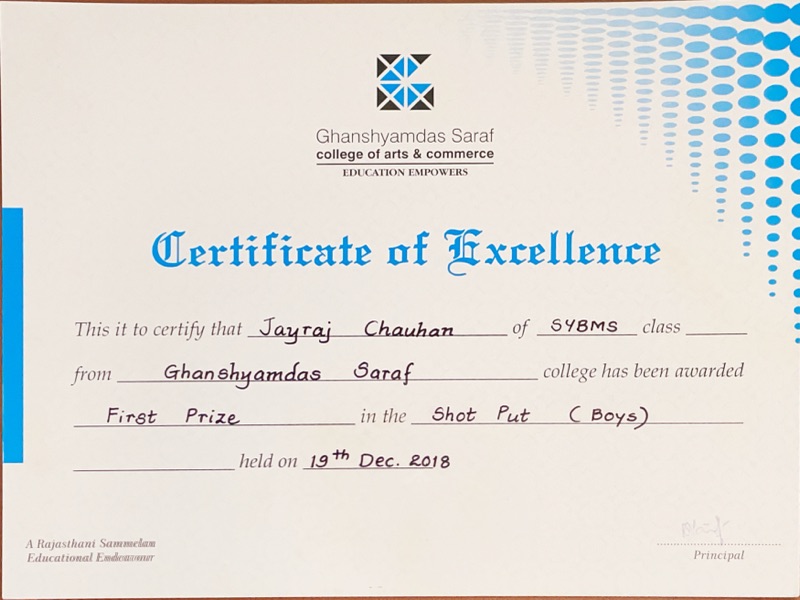
Shot put · 2018
Inter-college athletics meet participation, 2018.
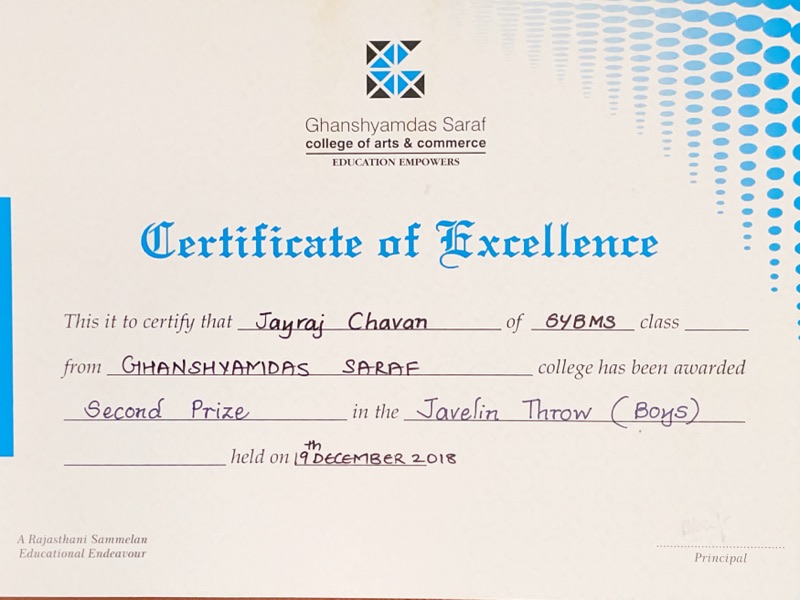
Javelin throw · 2018
Inter-college athletics meet participation, 2018.
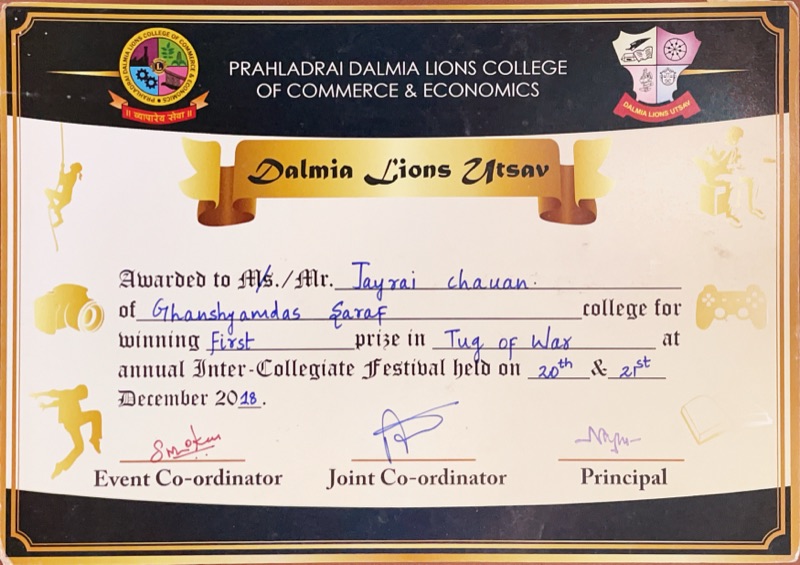
Tug of war · 2018
Team sport event participation, 2018.
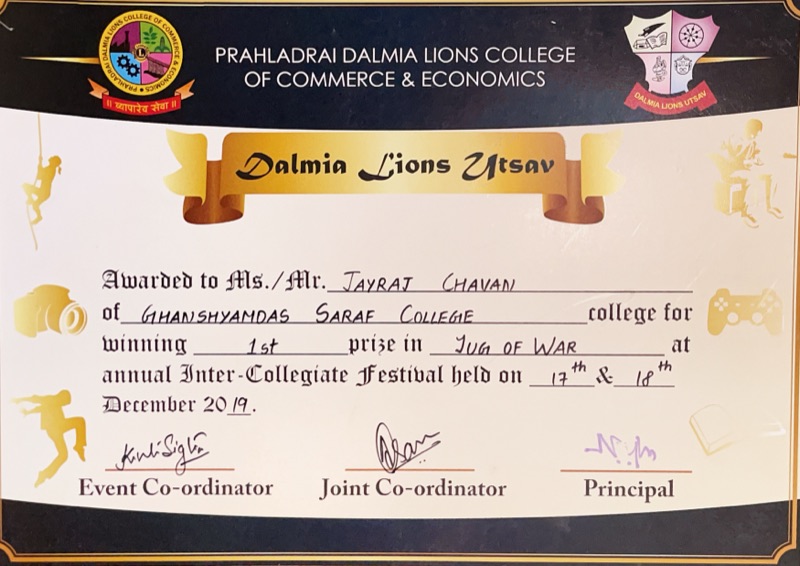
Tug of war · 2019
Team sport event participation, 2019.
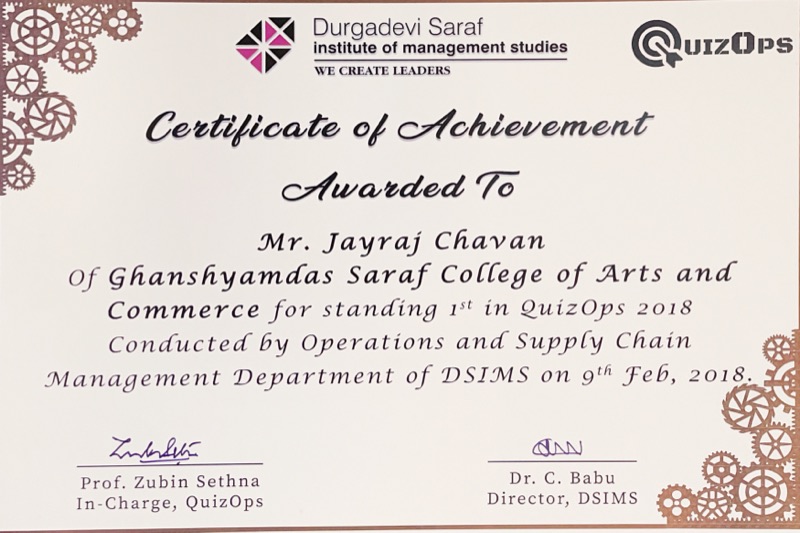
Quizops · 2018
College quiz competition participation, 2018.
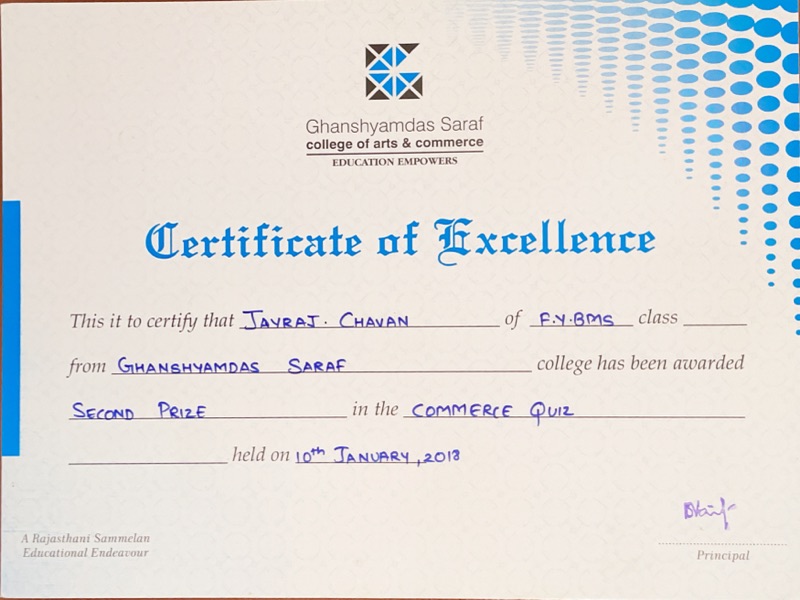
Commerce quiz · 2018
Subject quiz participation, 2018.
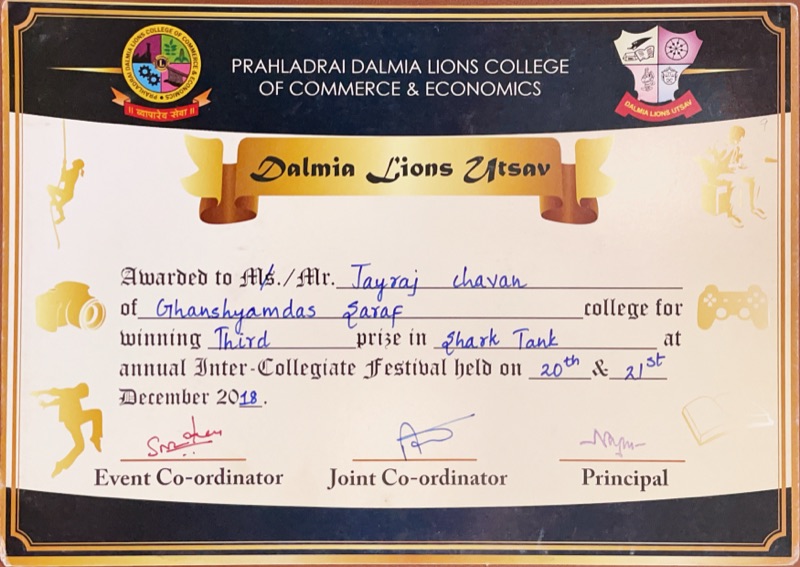
Shark Tank (college) · 2018
Business pitch competition participation, 2018.
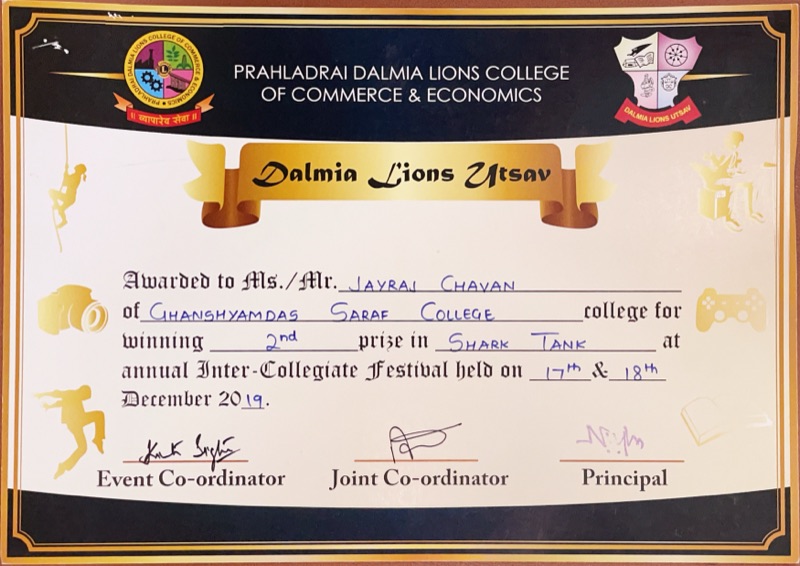
Shark Tank (college) · 2019
Business pitch competition participation, 2019.

HR combat · St Andrews
Inter-college HR-themed competition participation.
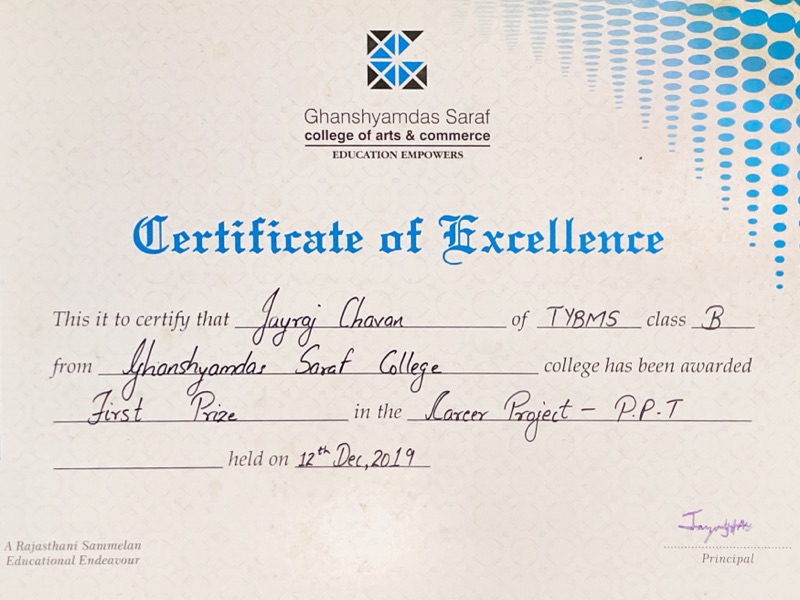
Career project presentation · 2019
Course-linked presentation event, 2019.
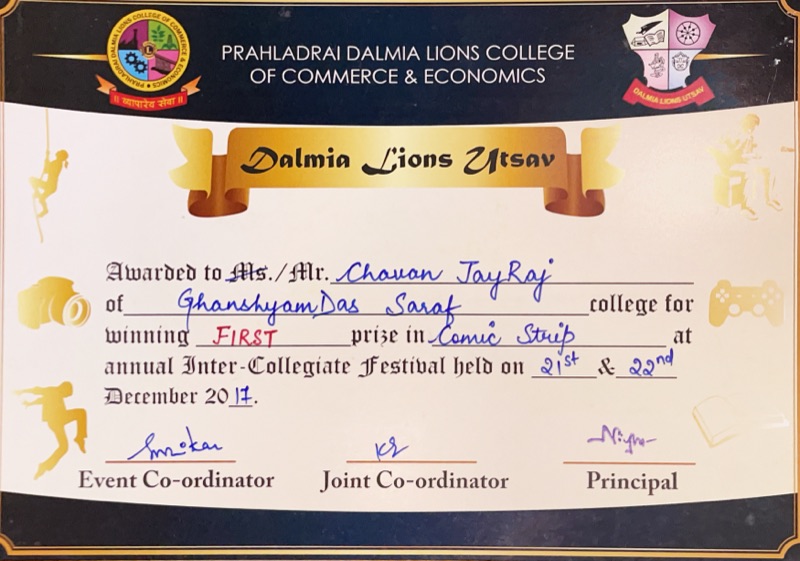
Comic strip competition · 2017
Creative competition participation, 2017.
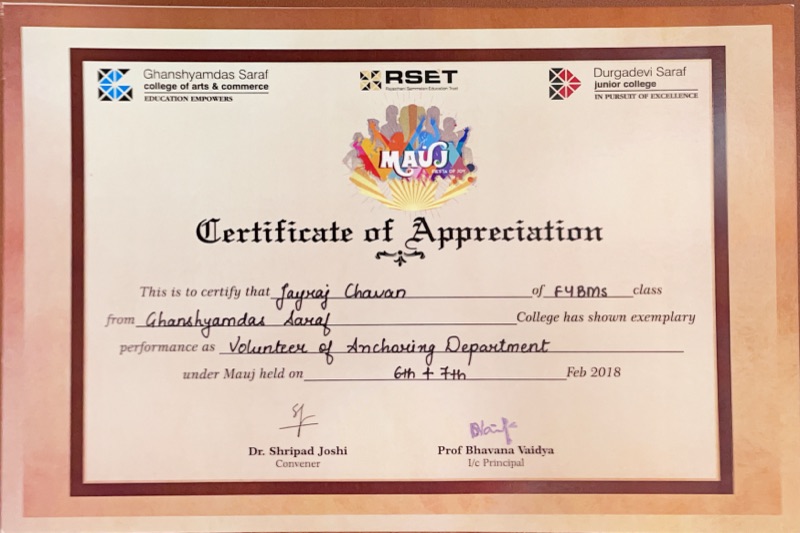
Anchoring · Mauj
Student cultural programme anchoring.
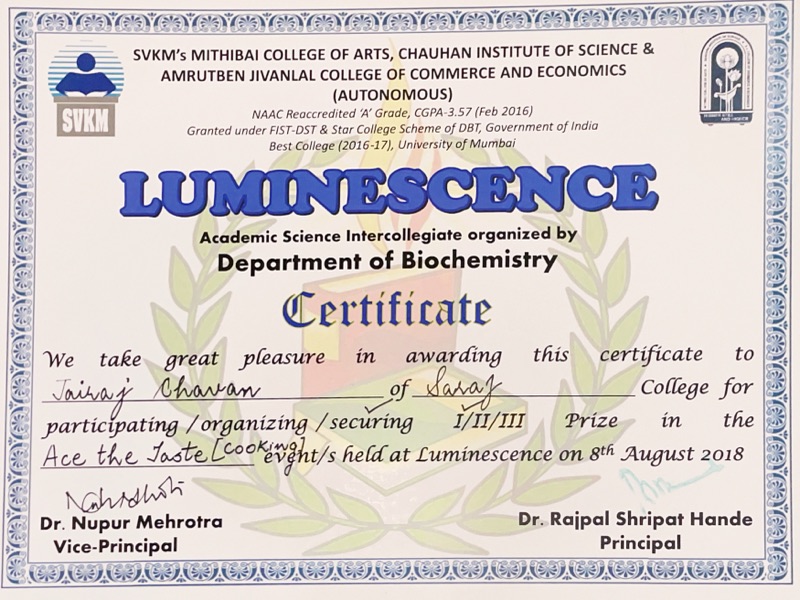
Ace the Taste · cooking
College cooking competition participation.
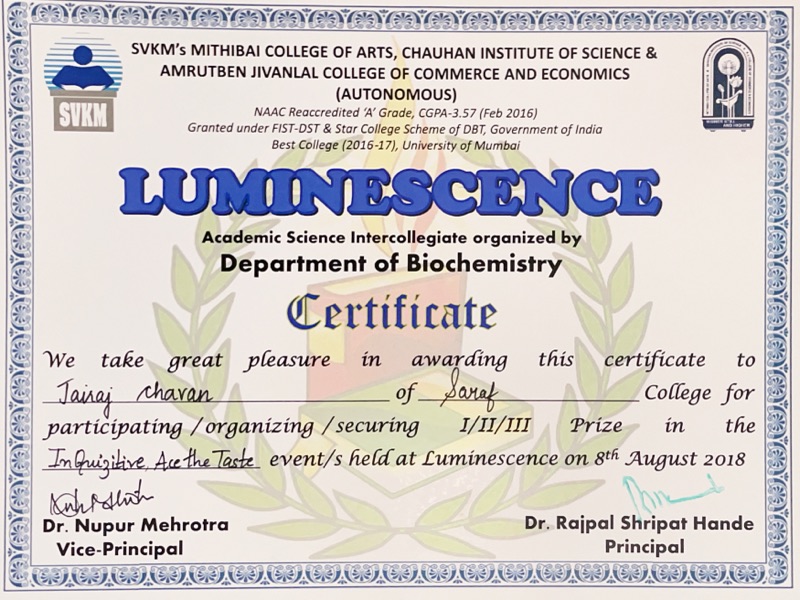
Inquisitive · Ace the Taste
Related college food-and-culture event.
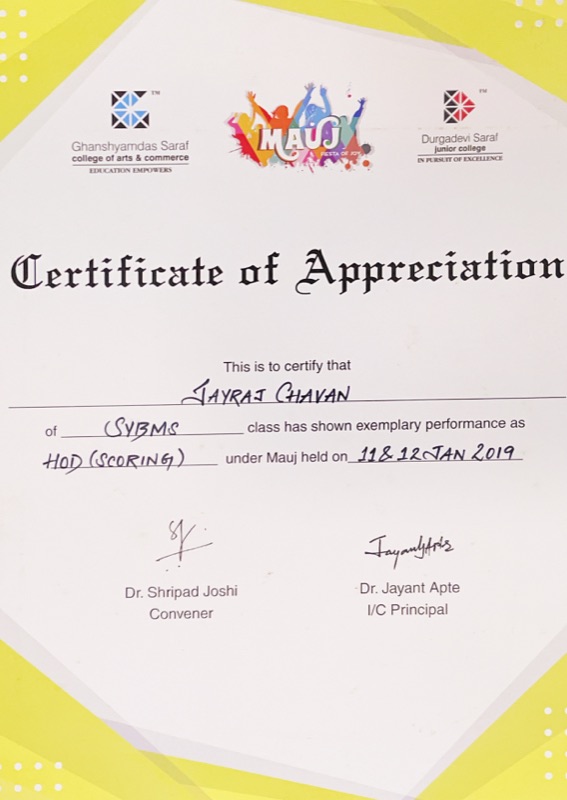
HOD scoring · Mauj
Judging or scoring role at Mauj programme.
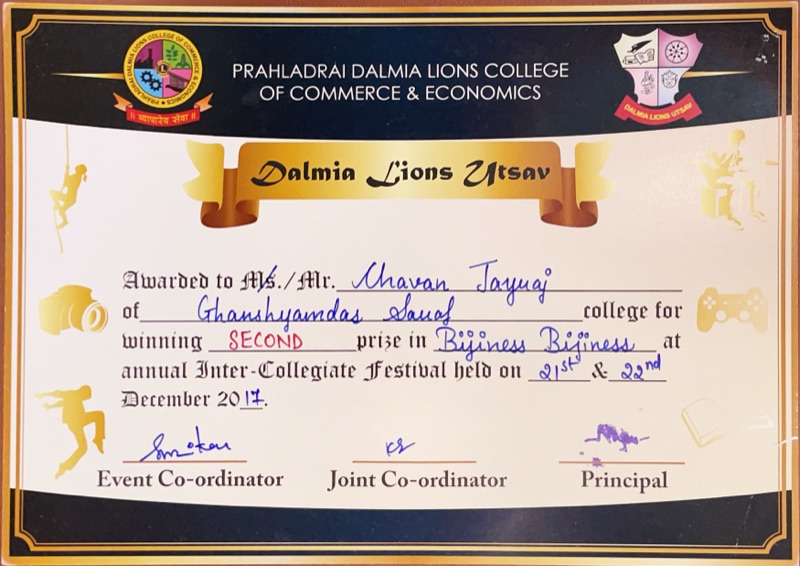
Bijiness · Dalmia
College business-culture event participation.
> ABOUT.TXT
I am an Independent Policy Consultant and Researcher based in Maastricht. In short: I take messy real-world problems (governance, migration, sustainability) and apply rigorous quantitative analysis to them so you can actually make decisions.
Before earning my dual MSc in Public Policy at UNU-MERIT / Maastricht University, I spent three years as an HR Executive in Mumbai. Managing 500+ employees during a pandemic taught me a crucial lesson: policies look great on paper, but implementation is where the wheels fall off. That's why my work focuses heavily on evaluating what actually happens on the ground.
I am currently on an Orientation Year (Zoekjaar) permit in the Netherlands. Why does this matter to you? Because you can hire me immediately without any work permit sponsorship headaches. (More on that in the section). I am available for junior research, M&E, and policy analyst roles, as well as commissioned desk work.
If you need someone who understands both the math and the people, reach out directly by email (contact@jayrajchavan.eu), via LinkedIn, or using the form.
English, Marathi, and Hindi (Native). Dutch (B1). Mandarin Chinese (HSK1). Gujarati (Fluent).
Outside the desk: debate, sport, quizzes, and student-led events from Mumbai, plus Maastricht volunteering. Certificates and event list:
> CONTACT
Fastest routes: email, LinkedIn, or the form below. For stored answers without a form, try . Thesis PDF requests go through .
Hiring me? Send role title, team, location, and start window. Commissioning desk work? Send deliverable, deadline, and who signs off. Either path works by form or email.
Email · LinkedIn · Substack · CV · Research · Writing · Methods · About · Experience · Ask JC · Zoekjaar (machine names still work: send_email, open_linkedin, …)
Hiring managers and university staff can read the retention brief in before writing. A concrete role title or introduction is enough.
Current location: Maastricht · EN, HI, MR native · Dutch A2–B1 (B1 course running)
> ZOEKJAAR / THE HIRING ADVANTAGE
For hiring managers and HR: let's clear up the paperwork anxiety. Hiring someone on an orientation year is not a hurdle—it is a massive advantage.
My Orientation Year (Zoekjaar) permit runs until September 2026. What does that mean for you? It means you can hire me immediately, without needing to apply for a separate work permit (TWV). No waiting, no complex IND filings to start. It is functionally as fast as hiring a local EU graduate.
After my orientation year ends, staying on board is remarkably straightforward. Recognised IND sponsors get to use the reduced salary criterion for highly skilled migrants. Because I am an orientation-year graduate, the salary threshold required to keep me is significantly lower than standard rates—sitting comfortably within junior policy pay bands. It makes long-term retention highly cost-effective.
No problem. The registration process is standard and usually takes two to four weeks. You can easily check if your organisation is already on the IND list by visiting the map.
A lot of highly trained graduates leave the region simply because the sponsorship paperwork feels daunting to SMEs. I wrote a comprehensive policy brief on this exact friction point. If you want to see how I tackle policy analysis, View policy brief below. (Six chapter summaries are also in the section).
Next step: check your organisation on the map, or head straight to to start a conversation.
Check IND for the latest figures.
> ASK_JC
Pick a question or type your own. Stored answers — no forms, no waiting.
> IND RECOGNISED SPONSORS
What this is: organisations on IND's four public sponsor registers (Work, Research, Study, Exchange), deduplicated by KVK number. Verified addresses appear on the province map; every card links to KVK and IND so you can confirm before hiring.
Why Limburg first: this map opens on Limburg because that is where verified employer pins are deepest today. The rest of the Netherlands is searchable nationwide by name or KVK right now. Most register entries still lack a verified province on file; the share on the map rises via weekly KVK-free enrichment batches (no paid API).
What to do next: browse Limburg below or search nationally, then confirm status on IND. HR context for the orientation year lives in ; quick answers in .
Loading sponsor register metadata…
Official IND registers (confirm before hiring): Work · Research · Study · Exchange
In-browser preview only; saving may still be possible via the browser PDF controls.